angela.tilson

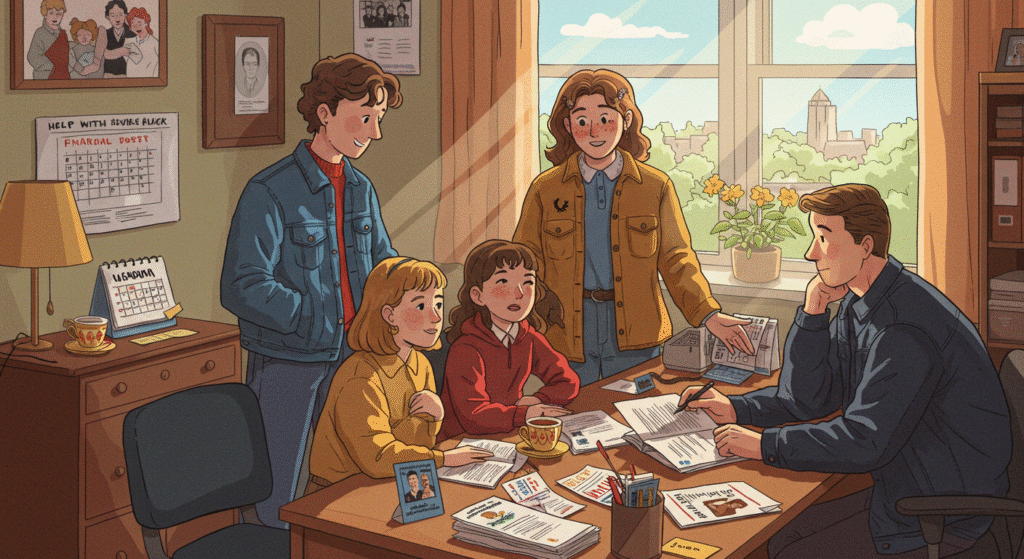
"A Britpop-style illustration symbolizing help with funeral costs in the UK. Depict a cozy, sunlit office or advice center with friendly staff assisting a family or individual, paperwork and brochures on a desk, and subtle references to financial support. Figures wear relaxed 90s Britpop-era clothing (denim jackets, Fred Perry polos, Doc Martens), showing approachable, empathetic interactions. Include symbolic items like a cup of tea, a calendar, and gentle rays of sunlight through windows, representing clarity and guidance. Use bold outlines, slightly muted but warm retro colours, and a nostalgic 1990s British album cover style, evoking reassurance, support, and hope in navigating funeral expenses."

Get Help with Funeral Costs (Funeral Expenses Payment)

Get Help with Funeral Costs (Funeral Expenses Payment)

Losing a loved one is never easy, and the financial burden of arranging a funeral can add unnecessary stress during an already difficult time. At Clear Cremations in Harlow, we believe everyone deserves a dignified farewell without the worry of overwhelming costs. If you’re struggling to cover funeral expenses, you may be eligible for support through the Funeral Expenses Payment (FEP) from the UK government’s Department for Work and Pensions (DWP). Here’s what you need to know.


What Is the Funeral Expenses Payment?

The Funeral Expenses Payment is a government grant designed to help those on low-income benefits cover essential funeral costs. While it won’t pay for everything, it can significantly reduce the financial strain by contributing to key expenses like burial or cremation fees, travel costs, and necessary documentation.


Am I Eligible?

You may qualify for the FEP if:

  • You receive certain benefits, such as Universal Credit, Income Support, or Pension Credit.
  • You’re the partner, close relative, or friend responsible for arranging the funeral.
  • The funeral is being held in the UK, EU, or EEA.

Note: You cannot claim if the deceased had a pre-paid funeral plan or sufficient savings to cover costs.


How to Apply

  1. Check Eligibility: Visit the gov.uk Funeral Expenses Payment page to confirm your eligibility.
  2. Gather Documents: You’ll need the funeral invoice, death certificate, and proof of your benefits.
  3. Submit Your Claim: Apply online via gov.uk or complete form SF200 and post it to the DWP.
    Deadline: Apply within 6 months of the funeral date.

The DWP typically responds within 15 working days. If approved, funds are paid directly to you or the funeral director.


What Does the FEP Cover?

  • Burial fees or cremation costs.
  • Up to £1,000 for other expenses (e.g., coffin, flowers, or celebrant fees).
  • Travel costs for arranging or attending the funeral.
  • Death certificate or doctor’s fees.

Important: The payment is a contribution. If costs exceed the grant, you’ll need to cover the difference.


Need Additional Support? Clear Cremations Is Here to Help

If the Funeral Expenses Payment doesn’t cover all costs—or if you’re ineligible—our direct cremation service offers a simple, affordable alternative. Starting at just £1,182, our transparent pricing includes:

  • Collection of your loved one (24/7, within 20 miles of Harlow).
  • A dignified cremation at a local facility.
  • Return of ashes in a simple urn.

With no hidden fees or elaborate ceremonies, direct cremation gives families the flexibility to hold a personalised memorial at a later date.


Why Choose Clear Cremations?

  • Compassionate Care: Our team treats every family with dignity and respect.
  • Transparent Pricing: No surprises—just clear, upfront costs.
  • Local Expertise: Serving Harlow and surrounding areas with pride.

Next Steps

Don’t let financial worries overshadow your chance to say goodbye. Check your eligibility for the Funeral Expenses Payment today, and if you need further assistance, contact Clear Cremations. We’re here to guide you through every step.

📞 Call Us: 01279 745100
📧 Emailhelp@clearcremations.com
📍 Visit: Latton Bush Centre Southern Way, Essex,

Clear Cremations—Providing Affordable, Respectful Farewells for Harlow Families.


Disclaimer: Eligibility criteria and FEP coverage may change. Always verify details via gov.uk or consult the DWP directly.

By combining government support with our affordable services, we help you honour your loved one without financial strain. Let Clear Cremations lighten the burden during your time of need.

Get Help with Funeral Costs (Funeral Expenses Payment) Read More »
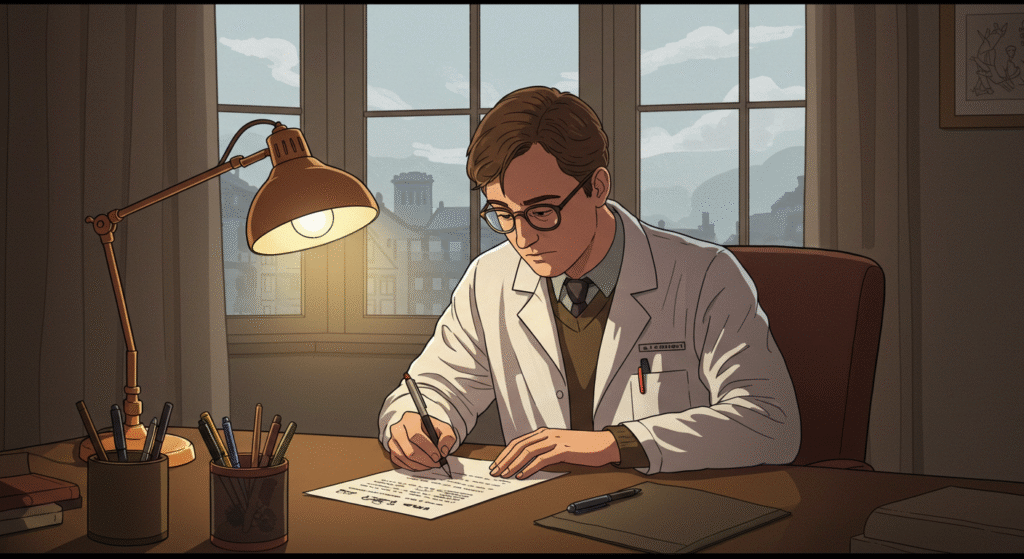
"A Britpop-style illustration of a doctor with white lab coat sitting at a desk, signing a paper with a somber, reflective expression. The desk is scattered with pens, an open notebook, and a muted lamp casting warm light, creating a quiet, intimate atmosphere. In the background, tall windows show an overcast English sky, and soft shadows fall across the room. Characters wear slightly retro, everyday 90s British fashion (wool sweaters, button-up shirts, casual jackets), adding understated indie style. Use bold outlines, slightly muted but vibrant retro colours, and a playful, nostalgic 1990s British album cover style, capturing the weight of the moment and quiet introspection."

The Legal Requirements for Direct Cremation in the UK

Core Legislation Governing Direct Cremation in the UK

While direct cremation is valued for its simplicity, the process is tightly regulated to ensure it is carried out legally, safely, and respectfully. Understanding the core laws and responsibilities involved can help families avoid unnecessary delays and stress.

The Cremation Act 1902

This historic piece of legislation laid the foundation for cremations in the UK. It governs:

  • Crematoria design and siting – ensuring facilities are appropriate and not too close to housing.
  • Operating standards – setting minimum requirements for safe practice.
  • Authorisation documents – establishing the need for cremation certificates before any cremation can take place.

The Cremation (England and Wales) Regulations 2008

These updated regulations provide the modern, detailed framework for cremation procedures. Key requirements include:

  • Crematorium registration – all facilities must be formally registered with their local authority.
  • Certificates – cremation cannot proceed without the correct medical certification. Forms 1, 4, 5, and 10 must be completed and signed by qualified practitioners.
  • Oversight and inspections – local authorities are obliged to carry out regular inspections of crematoria.
  • Ashes handling – detailed rules ensure cremated remains are treated respectfully, whether returned to families, interred, or scattered.

Other Relevant Laws

  • Public Health (Control of Disease) Act 1984 – ensures the safe and lawful disposal of human remains, including cremated ashes.
  • Environmental Protection Act 1990 – sets strict emissions standards for crematoria, minimising environmental impact.
  • Human Tissue Act 2004 – applies if ashes or remains are retained long-term or used in scientific, medical, or other specific contexts.

Key Parties and Their Responsibilities

  • Local Authorities – act as regulators: registering crematoria, carrying out inspections, investigating complaints, and enforcing compliance (with the power to fine or even close non-compliant facilities).
  • Medical Practitioners – provide essential medical certification, confirming cause of death and ensuring no concerns (such as suspicious circumstances) prevent cremation.
  • Funeral Directors – while not legally required, most families appoint a funeral director. They manage paperwork, liaise with doctors and crematoria, and ensure the process meets legal requirements — easing the administrative burden during a difficult time.

Practical Considerations for Families

For those arranging a direct cremation, the following steps are critical to avoid delays:

  1. Obtain the right certificates – a doctor must complete the cause of death certificate and cremation forms. Any errors can hold up the process.
  2. Appoint an applicant – usually the next of kin or executor, this person signs the application form and provides instructions to the crematorium.
  3. Choose a crematorium carefully – ensure the facility is properly registered, and check its policies on costs, ashes collection, and scattering.
  4. Handling the ashes – families usually receive the ashes, but permissions may be needed for scattering on private or public land.
  5. Keep clear records – maintain copies of all certificates, correspondence, and instructions.

Ensuring a Smooth and Compliant Process

  • Confirm your chosen crematorium is registered with the local authority.
  • Double-check all medical certificates and forms are correctly completed.
  • Understand how and when ashes will be returned or scattered, as practices vary.
  • If using a funeral director, confirm what services are included in their fee.

By keeping on top of these legal and administrative steps, families can ensure that a direct cremation is not only simple and cost-effective but also fully compliant with UK law.


Conclusion

Direct cremation offers a dignified, affordable, and flexible alternative to traditional funerals. But while the process is simple on the surface, it is underpinned by detailed legal requirements that must be respected. By understanding the key legislation, the roles of medical professionals and local authorities, and the practical steps involved, families can ensure a smooth, lawful process — allowing them to focus on what matters most: remembering and honouring their loved one.

Useful Resources:

Additional Resources

The Legal Requirements for Direct Cremation in the UK Read More »

"A Britpop-style, uplifting illustration symbolizing the preparation of a body for cremation — focusing on peace, memory, and celebration of life rather than graphic detail. Show a bright, serene chapel or preparation room with warm sunlight streaming through tall windows, casting gentle light across a simple, covered coffin. Include flowers, candles, and personal mementos arranged thoughtfully around the space. Figures in relaxed 90s Britpop fashion (denim jackets, parkas, Fred Perry polos, Doc Martens) stand calmly or share quiet smiles, conveying support and remembrance. Use bold outlines, slightly muted but warm and vibrant retro colours, and a playful, nostalgic 1990s British album cover style, evoking reflection, love, and the uplifting memory of a life well-lived."

How a Body is Prepared for Cremation: A Compassionate and Dignified Process

How is a Body Prepared for Cremation? A Step-by-Step Guide

Understanding how a body is prepared for cremation can bring comfort during a difficult time. This respectful, step-by-step process ensures dignity and safety. Here’s what happens:

Before Cremation: Careful Preparation

  1. Transfer & Secure Storage: The deceased is respectfully transported from the place of death (home, hospital, hospice) to the funeral home or crematory. They are placed in secure, temperature-controlled care.
  2. Verification & Permission: Identity is meticulously confirmed using medical tags/bracelets. Crucially, legal authorization for cremation must be signed by the next of kin or legal representative before proceeding.
  3. Removing Items:
    • Medical Devices: Pacemakers, prosthetics, or implants are removed. This is essential safety protocol as they can explode or release toxins during cremation.
    • Personal Items: Jewelry, watches, glasses, etc., are removed. These are typically returned to the family unless requested for cremation.
  4. Cleansing & Dressing: The body is gently cleansed. It is dressed in simple clothing (a shroud/gown provided by the facility, or clothing chosen by the family).
  5. Embalming (Optional): Not required for direct cremation (no viewing). It may be chosen if there’s a viewing or significant delay. Your funeral director will discuss this option.
  6. Placing in the Container: The body is placed in a combustible cremation container. This ranges from a simple cardboard box to a wooden casket, chosen based on preference, budget, and facility requirements.

During the Cremation Process

  1. Transfer to the Retort: The container is respectfully moved to the cremation chamber (retort), a specialized furnace maintained for safety and efficiency.
  2. The Cremation: The process takes 2-3 hours (varies by body size/container). Intense heat reduces the body to bone fragments and ashes. Remaining non-combustible metals (from implants) are safely separated and recycled.
  3. Processing the Ashes: Bone fragments are carefully processed into a fine, sand-like powder (“ashes” or cremated remains). These are placed in a temporary container or an urn selected by the family.

After Cremation: Returning Home

  • The ashes are returned to the family. This marks the completion of the physical process.
  • Families choose how to memorialize: keeping ashes in an urn, scattering, burial, or other meaningful options.

Key Considerations

  • Direct Cremation: A simple, affordable option gaining popularity. It skips embalming, viewings, and formal services before cremation, allowing families to memorialize personally later.
  • Religious & Cultural Practices: Reputable providers accommodate diverse customs. Discuss specific needs with your funeral director.
  • Environmental Impact: Cremation generally has a lower environmental footprint than burial. Many facilities adopt eco-friendly practices (renewable energy, emission filters).
  • Choosing a Provider: Select a licensed, transparent, and compassionate funeral home or crematory. Ask questions, review pricing clearly, and ensure they respect your wishes.

Finding Peace Through Understanding

Knowing how a body is prepared for cremation demystifies the process, offering reassurance during grief. Every step is conducted with profound respect, ensuring a dignified farewell.

Considering cremation? Consult a trusted funeral provider to discuss your options and get compassionate guidance tailored to your needs.

See also

https://businesscloud.co.uk/news/how-morticians-prepare-the-body-for-cremation

How a Body is Prepared for Cremation: A Compassionate and Dignified Process Read More »